


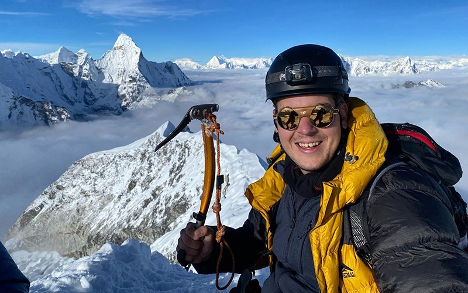
Nepal, the land of towering mountains and deep spiritual legacy, remains one of the world’s premier destinations for high-altitude adventure. While the allure of Mount Everest often grabs headlines, Nepal is also home to a range of accessible yet challenging trekking peaks that offer stunning views and an authentic Himalayan climbing experience. Among the most popular and rewarding of these are Island Peak, Mera Peak, and Lobuche Peak.
Whether you are a novice mountaineer or an experienced climber preparing for a bigger expedition, Island Peak Climbing, Mera Peak Climbing, and Lobuche Peak Climbing offer diverse technical challenges, cultural encounters, and dramatic alpine scenery—all above 6,000 meters.
Island Peak Climbing: The Ideal Himalayan Introduction
Island Peak, also known as Imja Tse, stands at 6,189 meters (20,305 feet) and is one of the most climbed trekking peaks in Nepal. Located in the Everest region, the mountain got its name because it appears like an island in a sea of ice when viewed from Dingboche.
Why Climb Island Peak?
Island Peak is the perfect blend of adventure and accessibility. It’s a popular choice for climbers looking to transition from trekking to mountaineering. The route requires glacier travel, rope work, and a steep ascent on an ice headwall, making it an excellent training ground for more technically demanding climbs.
The climb usually starts with a trek to Everest Base Camp or at least up to Chhukhung, ensuring proper acclimatization. The summit day involves navigating crevasses, using fixed ropes, and a final ridge climb to the peak. From the top, climbers are rewarded with breathtaking views of Lhotse, Ama Dablam, and the Imja Glacier.
Who It’s For:
- First-time climbers with strong trekking backgrounds
- Adventure seekers wanting to combine Everest trekking with peak climbing
- Climbers preparing for higher-altitude expeditions
Mera Peak Climbing: Touching the Roof of Nepal’s Trekking Peaks
At 6,476 meters (21,247 feet), Mera Peak is the highest trekking peak in Nepal. Located in the Hinku Valley, southeast of the Everest region, Mera offers climbers an opportunity to reach significant altitude in a remote and unspoiled setting.
Why Climb Mera Peak?
Unlike Island or Lobuche, Mera Peak Climbing is more about endurance and altitude rather than technical difficulty. The route involves long days of trekking through lush forests, high mountain passes, and glacier-covered slopes. While the use of crampons and ropes may be necessary on summit day, the climbing itself is not technically complex.
The primary attraction is the panoramic view from the summit, which includes five of the world’s 8,000-meter giants: Everest, Lhotse, Cho Oyu, Makalu, and Kanchenjunga. The remote approach also allows for a more peaceful and culturally immersive journey, far from the crowds of the main Everest trail.
Who It’s For:
- Fit trekkers looking to break the 6,000-meter barrier
- Adventurers seeking high altitude without steep technical sections
- Climbers training for more strenuous expeditions
Lobuche Peak Climbing: A Technical Challenge in the Khumbu
Lobuche East Peak, rising to 6,119 meters (20,075 feet), is the most technically demanding of the three peaks discussed. Located near Lobuche village along the Everest Base Camp trail, this peak offers a challenging and exhilarating climbing experience in the heart of the Khumbu.
Why Climb Lobuche Peak?
Lobuche Peak Climbing demands strong mountaineering skills. The ascent involves climbing steep snow and ice, navigating crevasses, and using fixed ropes along a narrow and exposed summit ridge. Climbers must be proficient in using ice axes, crampons, and safety equipment.
Because of its location, the approach to Lobuche Peak offers the chance to combine the expedition with a trek to Everest Base Camp, creating a comprehensive high-altitude adventure. The summit provides unrivaled views of Everest, Lhotse, Nuptse, and the surrounding Khumbu Glacier.
Who It’s For:
- Experienced climbers with prior high-altitude or technical climbing experience
- Those looking for a more advanced Himalayan climb
- Mountaineers training for peaks above 7,000 or 8,000 meters
Preparing for the Climb
While all three peaks are classified as trekking peaks by the Nepal Mountaineering Association (NMA), proper training and preparation are essential. This includes:
- Cardiovascular endurance: Regular hiking, running, or high-altitude training
- Strength training: Especially for legs and core
- Basic mountaineering courses: Ice axe and crampon use, rope work, and crevasse rescue for Island and Lobuche
- Acclimatization: Adequate rest days and altitude gain plans
It’s also critical to climb with reputable guides and support teams, both for safety and to enrich the cultural experience through local Sherpa insights.
Conclusion: One Himalaya, Three Incredible Peaks
Climbing a Himalayan peak is more than a physical achievement—it’s a spiritual and transformative experience. Whether you choose the relatively beginner-friendly challenge of Island Peak Climbing, the high-altitude endurance test of Mera Peak Climbing, or the technical thrill of Lobuche Peak Climbing, each mountain offers a path to personal growth, unforgettable landscapes, and deep cultural immersion.
Your choice will depend on your mountaineering experience, fitness level, and personal aspirations. Regardless of which summit you pursue, one thing is certain: the memories, friendships, and sense of accomplishment you’ll gain in the Himalayas will last a lifetime.
Contact Details
———————
Company address: Everest Trekking Routes Pvt. Ltd.
16 Khumbu, Nayabazaar, Kathmandu, Nepal
Mobile : +977-9843467921 (Rabin)
Email: [email protected]
URL:- www.everesttrekkingroutes.com
