


The Science of Collagen: How Modern Treatments Rebuild Scarred Skin
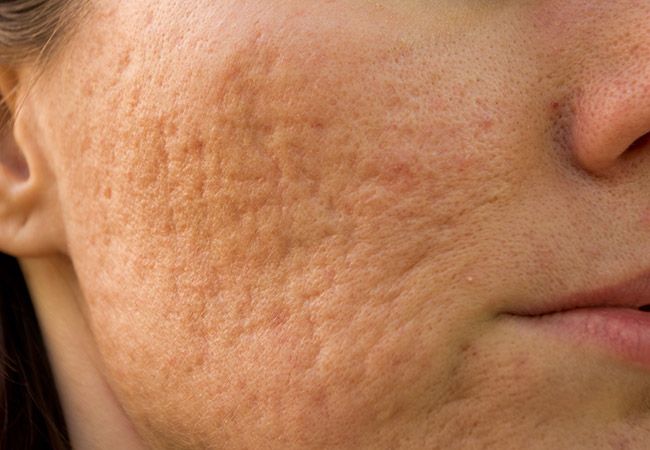
Collagen is one of the most important proteins in the human body, providing structure, strength, and support to the skin. When acne, injuries, or inflammation damage the skin, collagen production can become disrupted, leading to scars, uneven texture, and loss of firmness.
Modern aesthetic treatments focus on one major goal: stimulating the skin’s natural ability to rebuild collagen. Instead of simply covering scars, many advanced procedures work beneath the surface to encourage tissue repair and create smoother, healthier-looking skin.
Understanding how collagen works and how Acne Scars The Woodlands treatments stimulate its production can help explain why procedures such as microneedling, lasers, chemical peels, and regenerative therapies have become popular options for scar improvement.
Understanding Collagen and Its Role in Skin Health
Collagen is the main structural protein found in the skin. It acts like a support framework that helps maintain:
- Firmness
- Elasticity
- Smooth texture
- Skin strength
Young skin naturally produces abundant collagen, which helps the surface appear smooth and resilient. However, collagen production gradually decreases with age, sun exposure, inflammation, and skin injuries.
When acne or trauma damages the deeper layers of the skin, the body attempts to repair the area by producing new collagen. If this repair process is uneven, scars can develop.
How Scars Form When Collagen Production Goes Wrong
Healthy skin requires a balanced healing process. During wound repair, the body creates new collagen fibers to replace damaged tissue.
Problems occur when:
Too Little Collagen Is Produced
When the skin does not produce enough collagen during healing, depressed scars can form.
Examples include:
- Rolling scars
- Boxcar scars
- Icepick scars
These scars appear as indentations because the skin lacks structural support.
Too Much Collagen Is Produced
In some cases, the body creates excessive collagen, resulting in raised scars.
These include:
- Hypertrophic scars
- Keloid scars
The goal of modern scar treatments is to encourage controlled collagen remodeling rather than uncontrolled scar formation.
How Modern Treatments Stimulate Collagen Production
Many advanced skin treatments work by creating controlled stimulation. This activates the body’s natural repair response and encourages the formation of healthier collagen.
Microneedling: Creating Controlled Micro-Injuries
Microneedling uses tiny needles to create microscopic channels in the skin.
These controlled injuries signal the body to begin the healing process, which includes:
- Increased collagen production
- Elastin formation
- Improved skin regeneration
Over time, new collagen helps strengthen the skin structure and improve uneven texture.
Microneedling is commonly used for:
- Mild to moderate acne scars
- Enlarged pores
- Uneven skin texture
- Fine lines
Fractional Laser Resurfacing: Remodeling Collagen With Energy
Laser resurfacing uses focused light energy to create controlled areas of skin injury.
Fractional lasers treat only portions of the skin at a time, allowing surrounding healthy tissue to support faster healing.
During recovery, the skin produces new collagen fibers, which can improve:
- Deep acne scars
- Rough texture
- Sun damage
- Fine wrinkles
Fractional CO2 and erbium lasers are examples of treatments used for more significant resurfacing.
Chemical Peels: Triggering Skin Renewal
Chemical peels use specialized solutions to remove damaged surface cells and encourage new skin growth.
Depending on the peel strength, they can improve:
- Dark acne marks
- Surface irregularities
- Dull texture
Some stronger peels may also stimulate deeper skin remodeling by encouraging collagen activity.
Subcision: Releasing Scar Tissue Beneath the Skin
Some depressed scars are caused by fibrous bands that pull the skin downward.
Subcision works by breaking these attachments beneath the surface. Once released, the skin has the opportunity to lift and rebuild.
The controlled injury from the procedure can also stimulate collagen formation during healing.
Subcision is especially helpful for:
- Rolling scars
- Tethered depressed scars
Dermal Fillers and Collagen Support
Dermal fillers can improve depressed scars by adding volume beneath the skin.
Some fillers provide immediate lifting effects, while certain collagen-stimulating fillers encourage gradual tissue remodeling.
They can help:
- Restore lost volume
- Smooth depressions
- Improve skin contours
Fillers are often combined with procedures like subcision for enhanced results.
Regenerative Treatments and Collagen Signaling
Newer aesthetic approaches focus on supporting the skin’s natural regeneration process.
Treatments involving regenerative ingredients, such as platelet-rich plasma (PRP), use biological signals that may support healing and collagen activity.
PRP contains growth factors that participate in tissue repair and may enhance results when combined with procedures like microneedling.
Factors That Affect Collagen Production
Not everyone produces collagen at the same rate. Several factors influence skin regeneration.
Age
Collagen production naturally decreases over time, making recovery slower as people get older.
Sun Exposure
UV radiation breaks down collagen fibers and accelerates skin aging.
Daily sunscreen helps protect collagen and maintain treatment results.
Nutrition
The body requires nutrients to build healthy collagen.
Important nutrients include:
- Protein
- Vitamin C
- Zinc
- Antioxidants
Lifestyle Habits
Factors such as smoking, poor sleep, and chronic stress can negatively affect skin repair.
How Long Does Collagen Remodeling Take?
Collagen rebuilding is a gradual biological process. Unlike makeup or temporary skin treatments, collagen-based improvements develop over time.
Many people notice:
- Early texture improvements within weeks
- Continued changes over several months
- Ongoing improvement as collagen matures
Patience is important because the skin needs time to create and organize new collagen fibers.
Why Combination Treatments Often Work Best
Because scars involve different layers of the skin, combining treatments can produce more comprehensive results.
A customized plan may include:
- Microneedling for collagen stimulation
- Laser resurfacing for texture improvement
- Subcision for scar release
- Fillers for volume restoration
- Skincare for maintenance
This approach allows each treatment to target a different part of the scarring process.
Protecting New Collagen After Treatment
After investing in collagen-building treatments, protecting your results is essential.
Important steps include:
Daily Sunscreen Use
UV exposure can break down newly formed collagen and worsen pigmentation.
Gentle Skincare
Avoid harsh products that may irritate healing skin.
Maintaining Hydration
A healthy skin barrier supports better recovery.
Managing Acne
Preventing new breakouts reduces the risk of future scarring.
Final Thoughts
Collagen is at the center of modern scar treatment because it provides the structure needed for smoother, stronger skin. While scars cannot always be completely erased, today’s treatments can encourage the body to rebuild damaged areas and significantly improve skin texture.
Procedures such as microneedling, laser resurfacing, chemical peels, subcision, fillers, and regenerative therapies work by activating collagen production and supporting natural skin repair.
The most successful approach is one that matches the individual’s scar type, skin condition, and goals. By understanding the science behind collagen remodeling, patients can make more informed decisions about their journey toward healthier-looking skin.
